

Samia al - Faqi
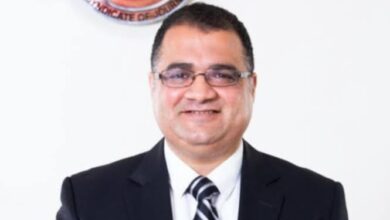
In a step that reflects the growing scientific presence of Egyptian doctors regionally and internationally, Dr. Hazem Abu Shoshah, a kidney disease consultant and kidney overlapping in the General Hospital of Al-Ameriya and the National Medical Institute of Dimenhore, participated in a specialized scientific and training mission in the State of Bangladesh, which lasted for a week.
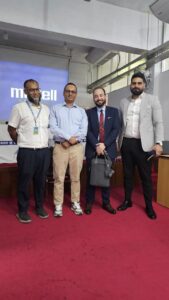
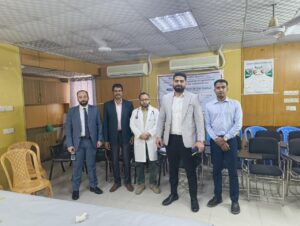
The visit saw Dr. Hazem ' s participation in the training of dozens of physicians within major medical and educational institutions specializing in kidney diseases in Bangladesh, including Dhaka Medical College Hospital, Bangladesh Medical University and BRDEM General Hospital, as well as scientific and field visits to a number of kidney centres and units and kidney overlaps, including National Institute of Kidney Diseases Urology, CKU and Square Hospital.
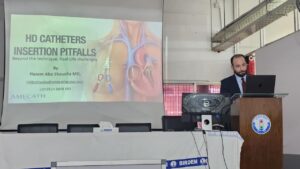
During the visit, Dr. Hazem Abu Shosha provided three workshops and specialized scientific lectures on the latest techniques for the installation of permanent dialysis flares and the real challenges faced by kidney doctors in dealing with complex cases, where lectures included topics such as:
"HD Cath eter Insertion Pitfalls: Beyond the Technique, Real-Life Challenges
And...
"HD Cath eter Insertion Technique and Guidelines).
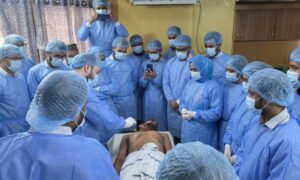
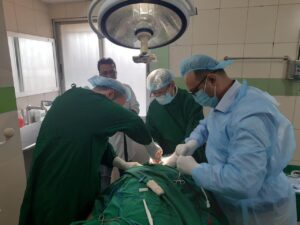
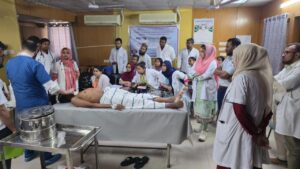
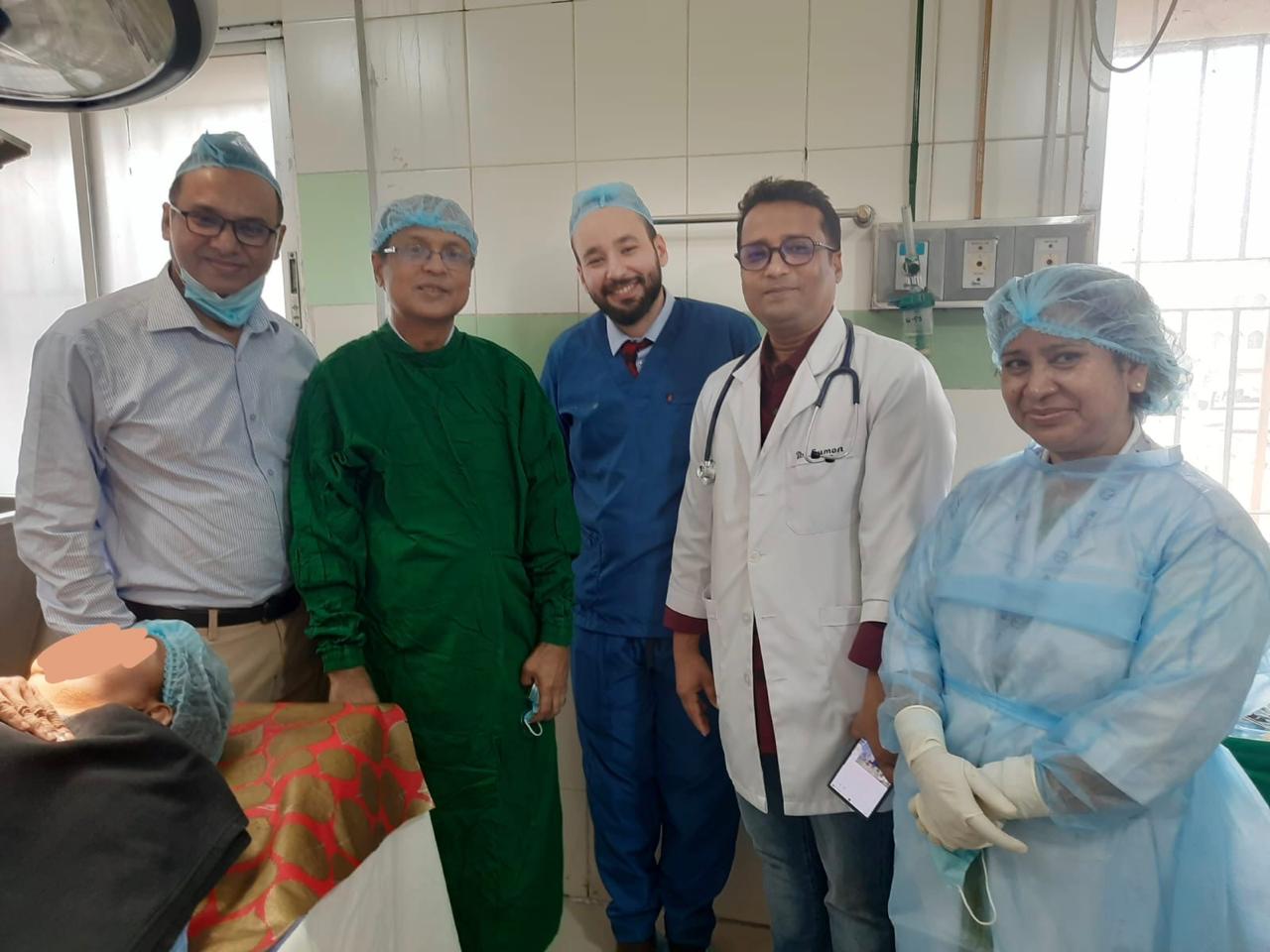
He also conducted two successful cases of the installation of permanent dialysis flasks within Bangladesh Medical University and theBIRDEM General Hospital, with direct hands-on training for doctors in the use of ultrasound waves during the installation of diameters and the evaluation of central blood vessels, both in the operating rooms and in the kidney units.
There has been a wide participation of kidney doctors in Bangladesh, with more than 50 doctors trained in modern dialysis techniques, methods of dealing with difficult situations and potential complications.
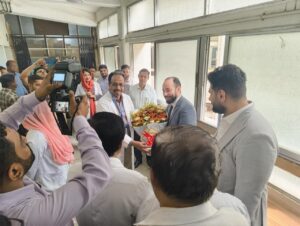
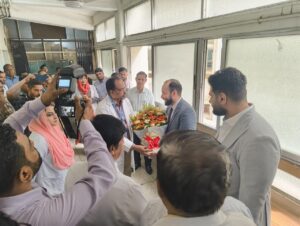
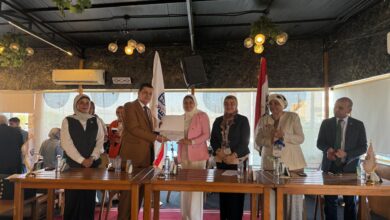
At the conclusion of the visit, Dr. Hazem Abu Shosha was honoured within Dhaka Medical College Hospital to appreciate his scientific and training role, as well as a press meeting during which he addressed the importance of the exchange of medical expertise among States and the role of practical training in the development of the services of dialysis patients and the upgrading of doctors ' competence in the area of dialysis.