


Egypt is preparing to receive a delegation from International Monetary Fund In preparation for the fifth and sixth reviews of the Egyptian economy, about $2.5 billion is expected to be saved.
According to the delegation’s statement, the current stable macroeconomic situation requires in-depth reforms in order to stimulate growth potential and create high-quality jobs, in addition to reducing economic vulnerabilities and increasing the economy’s resilience to shocks.
With conditions imposed by the IMF, multiple impacts are expected. The Egyptian EconomyEspecially when it comes to fuel subsidies. What are these effects?
Dr. Alia Al-Mahdi, former Dean of the Faculty of Economics and Political Science at Cairo University, stressed that any rise in fuel or energy prices will have negative effects on inflation rates, affecting many sectors, including agriculture and industry, as well as transport prices.
Government proposals: opportunities and challenges
Al-Mahdi stressed in her private statements to Arab Finance that the acceleration of the proposals opens a window of opportunity, as it is expected to enhance the movement of the Egyptian market by attracting more foreign and local investments, which contributes to providing liquidity of foreign currencies.
Reduction of fuel subsidies
For her part, Dr. Sohar Al Damati, banking expert, pointed out that the IMF seeks to lift the immediate fuel subsidies, but did not take into account the unique circumstances of each country. It has reported that the government has reduced subsidies in the budget of 2025/2026 by 75 billion pounds, expecting inflation to decline in the coming period.
Restructuring of fuel prices is expected during the fourth quarter of 2025 and setting fuel sales tariffs at the pricing committee meeting scheduled for the end of September. The budget for the fiscal year 2025/2026 saw a significant reduction in fuel subsidies, from LE154.5 billion to LE75 billion.
The automatic pricing committee followed on April 11, 2025 by raising the prices of gasoline, diesel and diesel. October is expected to see a fresh increase in fuel prices, with Dr Mostafa Madbouly, the prime minister, saying the current increases may be the last.
Al-Damati stressed that the acceleration of government proposals constitute positive channels for the Egyptian economy, as it enhances the availability of dollar liquidity, which helps in stabilizing the pound currency against foreign currencies.
Rising prices: an expected reality
Dr. Wael Al-Nahas, Professor of Finance and Investment, warned that the Egyptian market may witness increases in product prices due to increased fuel and electricity prices, which will affect the income of citizens in light of the escalating cost of living. Copper raised the importance of the role of chambers of commerce in educating traders on how to manage the negative effects of higher prices.
With regard to accelerating government proposals, he called for enhancing private sector participation in the economy, while maintaining the role of the state as a major operator, and working to create incentives for new investors.
The Ministry of Planning launched the National Economic Development Narrative project, in the presence of ministers and representatives of the private sector, with a focus on promoting growth and employment.
According to official data, the government is seeking to redefine its role in the economy while empowering the private sector, which is a key engine of growth.
Empowering the private sector: the cornerstone of development
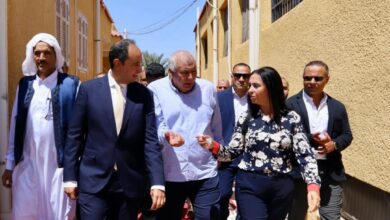
Minister of Planning and Economic Development Rania Al-Mashat stressed the importance of empowering the private sector and reducing competition between the public and private sectors. She explained that the government is seeking to accelerate partnership programs that promote major projects, while pursuing financial sustainability.
Regarding the relationship with the IMF, Al-Mashat explained that these programs are related to the needs of the Egyptian state and work to increase confidence in the Egyptian economy.
The government plans to complete the government offering program in 2025, including selling stakes in 10 government companies to strategic investors or through the exchange.
The government has completed 34 physical rollouts of state-owned companies between March 2022 and December 2024, using IFC to help with the program.
The program is a step towards enhancing the role of the private sector, achieving growth, job creation, and increasing investments and exports.
Read also: Mohieldin proposes a new vision for the Egyptian economy away from dependence on the IMF