:
The Zoo Adoption Center is a system that allows the public and visitors to symbolically "adopt" an animal by subsidizing its care costs, which is important because it provides sustainable funding for conservation, education, and treatment programs, and encourages positive communication with and responsibility for animals, enhancing the zoo's role in protecting, educating, and developing environmental awareness.
What's an adoption center? It is a program that allows individuals and companies to support a particular animal within the zoo by donating to cover its living and health care costs. A zoo adoption center is a specialized program or department that aims to connect some species of wild animals that need a permanent cage inside the zoo with families willing to care for them. This concept is slightly different from wildlife conservation programs practiced by zoos, where adoption usually focuses on animals that have arrived at the zoo or partner shelters as a result of neglect, abandonment, or rescue, and that can live in a home environment.
• Mechanism of action: the person selects the desired animal and applies for adoption, and upon approval, becomes a "sponsor" of that animal.
• In return, the adopter receives exclusive benefits such as an adoption certificate, special invitations, or even mention of his/her name (if desired) as support for the program.
Importance of Adoption Center for Zoos
1. Supporting conservation: Provides direct funding for research and breeding programs for endangered species and those in need of protection by highlighting animal welfare issues.
2. Education and awareness: connects visitors with animals and instills a sense of responsibility towards wildlife, which stimulates behaviors that support the preservation of the environment.
3. Improve animal welfare: Ensures the best environment and health care for animals, including proper nutrition and treatment of diseases, as mentioned in the report.
4. Promoting Human Well-Being: Visits and animal engagement improve mental health and reduce stress, supporting the zoo’s role as a hub for human and community well-being
5. Provision of financial support: Adoption usually involves symbolic fees or donations that help cover the costs of veterinary care, food, and animal shelter.
6. Provide a second chance for animals: Adoption gives animals that may have been abused or abandoned a chance for a better life in a safe and caring environment.
7. Building a positive relationship with the community: These centers strengthen the links between the park and the local community, as adopters become part of a supportive animal welfare network, increasing the social capital of the park.
8. Source of income: contributes to the sustainability of the work of the zoo and cover its operating expenses, especially as it has become safe havens for endangered animals.
Zoos are vital centers for several key aspects, including conservation of endangered species, education and awareness, scientific research, and recreation.
Zoos play the following key roles:
• Many zoos are actively involved in Captive Breeding Programs that help preserve genetic diversity and boost the numbers of animals that may be extinct in the wild, with some potentially returning to their natural habitats in the future.
• Scientific research: Zoos provide a unique environment for studying the behavior and diseases of wild animals, their reproduction rates, nutritional requirements and close health care. Information collected from researchers helps manage, protect and care for wild animals in their natural environments.
• Education and environmental awareness: Zoos provide visitors, especially children, with the opportunity to see wild animals and learn about their different characteristics and forms, which enhances awareness of the importance of protecting wildlife and ecosystems.
• Care and shelter: Zoos provide a safe environment for animals, with access to adequate food, water, medical care and protection from disease, often ensuring they live longer than they might in the wild.
• Recreation: Zoos are important entertainment attractions for families and visitors, providing a fun and inspiring experience that combines entertainment and learning.
وحديقة حيوان الجيزة تعد واحدة من أقدم (تأسست حديقة حيوان الجيزة عام (1891 في عهد الخديوي محمد توفيق، لكن فكرة إنشائها بدأت مع الخديوي إسماعيل عام 1869، وهي أقدم وأكبر حديقة حيوان في مصر والشرق الأوسط، وتُعرف بـ “جوهرة التاج لحدائق الحيوان في أفريقيا” وأغنى حدائق الحيوان، وتضم تنوعاً كبيراً من الحيوانات والطيور، بالإضافة إلى متحف علمي مهم وعالمى. وتخضع الأن لتطويرات ضخمة حديثًا للحفاظ على طابعها التراثي وتلبية المعايير العالمية، مع إضافة تجارب تفاعلية ومرافق حديثة.
باختصار، مركز التبني
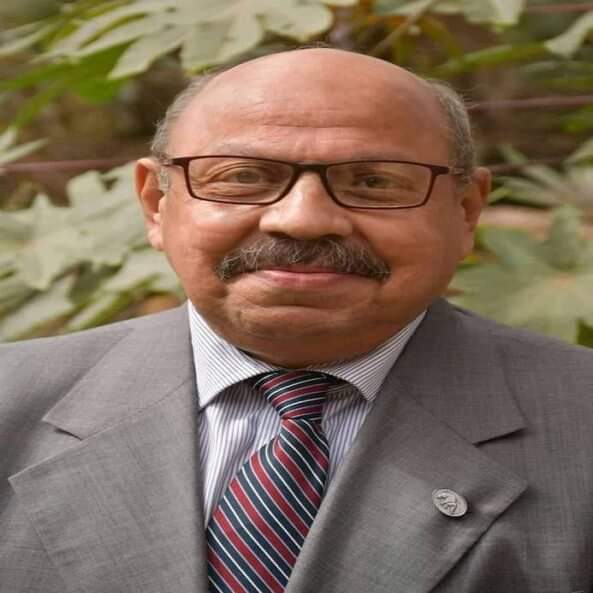
Dr. Atef Mohamed Kamel Ahmed - Goodwill Ambassador - Founder of the Faculty of Veterinary Medicine Ain Shams University - Assistant Professor and Vice-Chancellor for Community Service and Environmental Development and Founder and Head of the Department of Wildlife and Zoos - Member of the Scientific and Administrative Committee of CITES - International Expert in Wildlife, Nature Reserves and Biodiversity at UNESCO - United Nations Development Programme (UNDP) and International Union for Conservation of Nature (IUCN)