Biodiversity in Egypt is a unique natural legacy that extends to thousands of years, with rich coastal environments such as coral reefs in the Red Sea, natural reserves of more than 14% of the country ' s area, rare birds and mammals.
The preservation of this legacy is not only an institutional responsibility, but a guarantee of the sustainability of resources for future generations. The Egyptian vision for the protection of natural life is based on the National Biodiversity Strategy, which aims to integrate the environmental dimension into economic development plans.
One of its most prominent areas is the protection of natural reserves: the development of protected areas to support sustainable ecotourism with the involvement of the local population (e.g. the Wadi of Beauty and Jaffton Island Reserves). Blue and green economy: investing in clean energy and coral reef protection that supports tourism and provides employment. Scientific research: research to study endangered ecosystems and habitats. Challenges of biodiversity in Egypt
Despite the unique nature of Egypt, wild and marine life faces continuing challenges as a result of human activities, including: pressure on population growth and urbanization. Climate changes that threaten coral reefs and lead to desertification. Gathering animals and removing wild plants. Our community-based and institutional role to protect nature and to ensure its survival for future generations combines efforts to build sustainable practices and effective initiatives, drawing on awareness of the importance of different species and the application of solutions based on nature. To identify the efforts of civil society and experts in the protection of natural heritage in Egypt:
Your words: To preserve biodiversity in Egypt: a legacy for future generations, the preservation of biodiversity in Egypt is a strategic commitment and essential foundation for securing the future of future generations.
Egypt has a unique natural environment that combines rich marine systems in the Red Sea with vast desert and hydrological frameworks, and to ensure the sustainability of these wealth, the State launched the updated National Biodiversity Strategy until 2030 to integrate the environmental dimension into all sectors of development
I'm sorry. Egypt ' s manifestations of biological wealth are characterized by a unique biodiversity that includes thousands of species distributed to different environments: wildlife: 111 species of mammals and 109 types of reptiles. Birds: Some 480 species of birds are registered in Egypt, as they are a major migration corridor. Marine life: they embrace more than 1,000 species of fish and 325 species of coral reefs in the Red Sea. Plants and bugs
: تذخر البيئة المصرية بما بين 10 آلاف إلى 15 ألف نوع من الحشرات.أهم التحديات التي تواجه التنوع البيولوجي تواجه هذه الأنظمة الحيوية ضغوطاً متزايدة تهدد استقرارها:النمو السكاني والزحف العمراني: يتسبب في تدمير الموائل الطبيعية وتراجع المساحات الخضراء.التغيرات المناخية والتصحر: يؤدي الجفاف وتغير درجات الحرارة إلى اختلال البيئات الحساسة.الصيد الجائر والاستغلال المفرط: مثل الصيد غير المنظم وقطع الموارد النباتية والطبية.الرؤية الاستراتيجية وجهود الدولة للحماية (حتى 2030)تتبنى مصر خططاً متكاملة بدعم من برنامج الأمم المتحدة الإنمائي (UNDP) لتمويل وصون الطبيعة:توسيع شبكة المحميات الطبيعية: تغطي المحميات حالياً أكثر من 14% من مساحة مصر الإجمالية.
إطلاق استراتيجية الاقتصاد الأخضر والأزرق: توجيه الاستثمارات نحو السياحة البيئية المستدامة وحماية الشعاب المرجانية.مبادرة تمويل التنوع البيولوجي (BIOFIN): حشد الموارد المالية من القطاعين العام والخاص لتنفيذ الحلول القائمة على الطبيعة.تفعيل دور البحث العلمي
: دمج تقنيات حديثة مثل الذكاء الاصطناعي والحمض النووي البيئي لرصد الأنواع المهددة
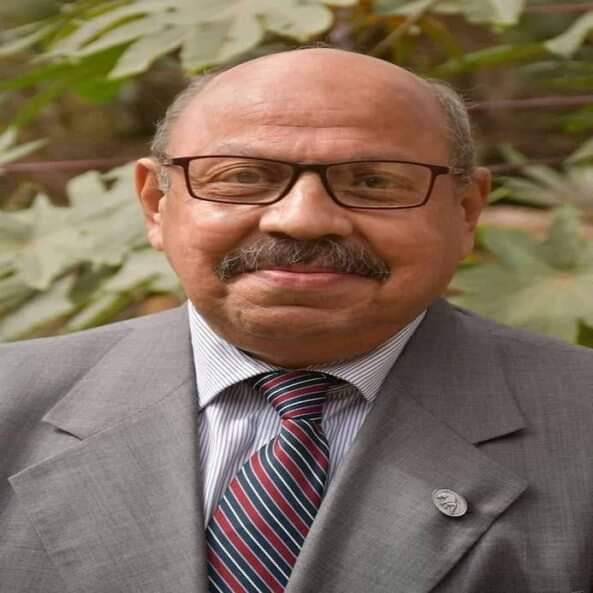
.بقلم: ا.د/ عاطف محمد كامل أحمد-سفير النوايا الحسنة- مؤسس كلية الطب البيطرى جامعة عين شمس استاذ ووكيل الكلية لشئون خدمة المجتمع وتنمية البيئة والمشرف على تأسيس ورئيس قسم الحياة البرية وحدائق الحيوان – عضو اللجنة العلمية والإدارية لإتفاقية سايتس- والخبير الدولى في الحياة البرية والمحميات الطبيعية والتنوع البيولوجى باليونسكو وبرنامج الأمم المتحدة للتنمية والإتحاد الدولى لحفظ الطبيعة (IUCN) وخبير البيئة والتغيرات المناخية بوزارة البيئة- مؤسس المركز الإقليمى لأبحاث المحميات الطبيعية ومتحف الحياة البرية –بكلية الطب البيطرى جامعة قناة السويس- المستشار العلمى لحديقة الحيوان بالجيزة ولرئيس الهيئة العامة للخدمات البيطرية لحدائق الحيوان -عضو الجمعية العالمية لحماية الحيوانات بإنجلترا -(WSPA)الأمين العام المساعد للحياة البرية بالإتحاد العربى لحماية الحياة البرية والبحرية- جامعة الدول العربية ورئيس لجنة البيئة بالرابطة المغربية المصرية للصداقة بين شعوب العالم