


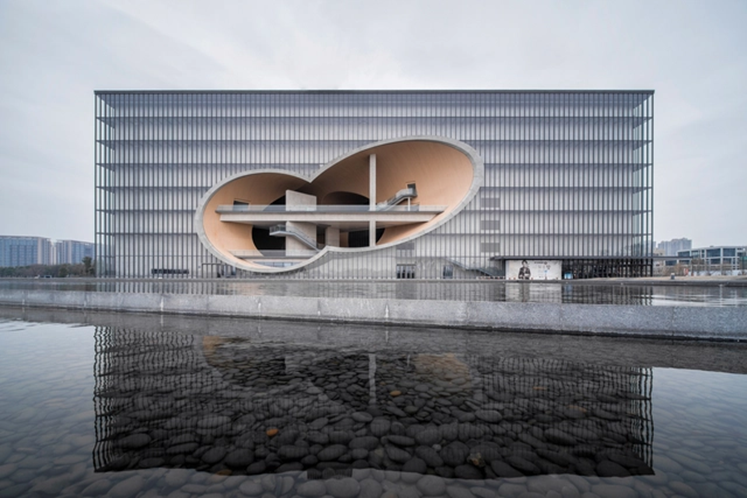
Japan ' s housing architecture is universally known as its amazing ability to convert limited urban plots into carefully designed havens of light, physical honesty and leisure.
In Japan ' s dense cities, where space is rare and privacy concepts are constantly changing, the notion of privacy does not stop. «Home.» At the job only, it goes beyond it to become a delicate balance between openness and closure, simplicity and complexity, traditions and modernity.
Highlight Japanese architects who reshape the concept «Home.»
Tadawa Ando.
Prepare. «Mr. concrete.» One of the names founded in the modern Japanese housing architecture, whose designs, such as the home of Azuma, are lessons in building a private world inside the house, by using the open armed concrete and carefully studied vacuums, create houses that appear to be separate from the edge of the city, where the passage of time is measured only by the movement of light and shadow within the vacuum.
Rio Nishizawa
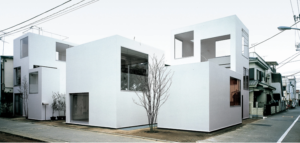
Founding partner of the SANAA office with the Pritzker Award, a concept leader. «Life is limitless.»In its housing projects, such as Garden House in Tokyo, Nishizawa is rediscovering the notion of traditional walls by stacking transparent levels of vertical gardens, thus creating a continuous life experience of dialogue between nature and the city within the residential vacuum.
Su Fujimoto
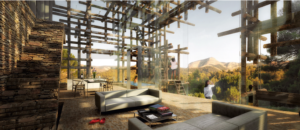
Fujimoto is a concept. «Engineering Forest»In its famous House NA project, it rethinks the house as a multi-tiered structure, instead of a closed set of rooms, relying on a scaffolding structure, creating a flexible and semi-departmental lifestyle within a single residential area, redefining privacy and mobility within the home.
Kiji Ashizawa
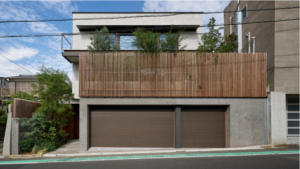
Kiji Ashizawa is one of the most prominent integrated design pioneers, where it is smoothly integrated between architecture, internal design and fancy furniture, relying on philosophy. «Honest design.»Which is based on the creation of balanced vacuums that reflect calm well-being and well-considered functions, making it one of the favourite names of worldmarks in the fancy lifestyle.
Kengo Kuma
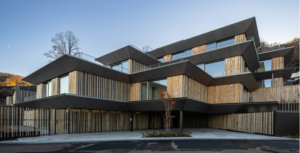
Kengo Koma is a global reference point in the use of natural substances, especially wood and stone, whose dwellings focus on the idea of using natural resources. «Soft.» The building within its natural environment, through the use of accurate wood slides and traditional Japanese carpentry techniques, resulting in warm vacuums with a recurring optical rhythm, combining both foot and contemporary spirit.
Hiroshi Nakamura
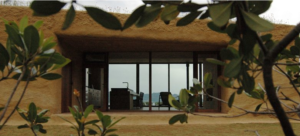
يرتكز عمل ناكامورا بعمق على سلوك الإنسان والتجربة الحسية. ويُعد مشروعه Optical Glass House في هيروشيما نموذجًا بارزًا في العمارة السكنية، حيث يعتمد على جدار ضخم من الطوب الزجاجي لعزل المنزل عن ضوضاء الشارع، وفي الوقت نفسه يسمح بإغراق الحديقة الداخلية بضوء ناعم ومتوهج يمنح الفراغ طابعًا شاعريًا وتجربة بصرية غير تقليدية.
كازويو سيجيما
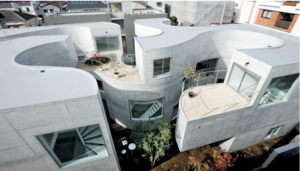
الشريك الآخر في SANAA، تتميز أعمال سيجيما السكنية بخفة شديدة في التكوين وبمخططات أرضية «سائلة» تتسم بالانسيابية. غالبًا ما تستخدم الأسطح المعدنية والزجاج المنحني لإنتاج منازل تبدو عديمة الوزن وذات طابع شفاف شبه أثيري، مع تركيز واضح على تدفق الحركة واستمرارية الفراغ البصري.
ماكوتو تانيجيري
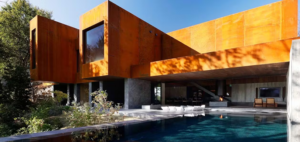
يمثل تانيجيري الجيل التجريبي الجريء في العمارة السكنية اليابانية، وهو معروف بفكرة «إدخال الخارج إلى الداخل». يعتمد على توظيف مواد غير تقليدية مثل الأسفلت أو الحدائق الصخرية الداخلية، بهدف كسر الحدود النمطية للمسكن التقليدي، وإنتاج فراغات سكنية تبدو كمناظر طبيعية خشنة ومعاصرة في الوقت نفسه.
يوكو ناغاياما وشركاه
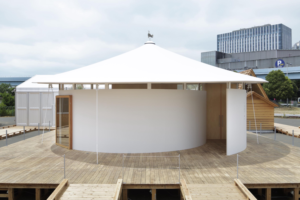
تُعرف ناغاياما بتصاميمها الانسيابية ذات الطابع الإنساني، حيث تخلق فراغات تمزج بين الأشكال الناعمة والضوء الطبيعي وتعدد طبقات المواد. وتتميّز أعمالها بتحقيق توازن دقيق بين التعبير الفني والوظيفة اليومية، ضمن سياق طوكيو الحضري المتحوّل باستمرار.
جُونيا إيشيغامي
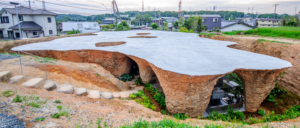
دفع إيشيغامي حدود الإمكانات الإنشائية إلى أقصاها، حيث تبدو مفاهيمه السكنية كأنها رسومات تخطيطية تحولت إلى واقع. تعتمد أعماله على عناصر إنشائية فائقة النحافة وبحور واسعة ومفتوحة، ما يجعل المنزل أقرب إلى عمل فني مفاهيمي يعيش في انسجام كامل مع البيئة المحيطة.
مستقبل المعيشة: كيف يعيد المعماريون اليابانيون تعريف تصميم المنزل
في عالم تزداد فيه المدن كثافة وتتعقّد أنماط الحياة باستمرار، يمتد تأثير المعماريين اليابانيين إلى ما هو أبعد من حدودهم المحلية. فقد أعاد روّاد مثل تاداو أندو وكينغو كوما وسُو فوجيموتو تعريف معنى العيش الجيد داخل القيود، مؤكدين أن المحدودية يمكن أن تكون مصدرًا قويًا للإبداع.
تذكّرنا أعمالهم بأن التصميم السكني ليس مجرد بناء منازل، بل هو صناعة تجارب معيشية متكاملة؛ حيث يصبح الضوء مادة تصميمية، ويتحوّل الفراغ إلى عنصر مرن، وتغدو العمارة تجربة إنسانية عميقة. ومع توجه المدن العالمية نحو أنماط حياة أكثر استدامة ووعيًا، تبدو المبادئ التي أرستها العمارة اليابانية المعاصرة مرشحة للبقاء في صدارة المشهد المعماري السكني لسنوات طويلة قادمة.