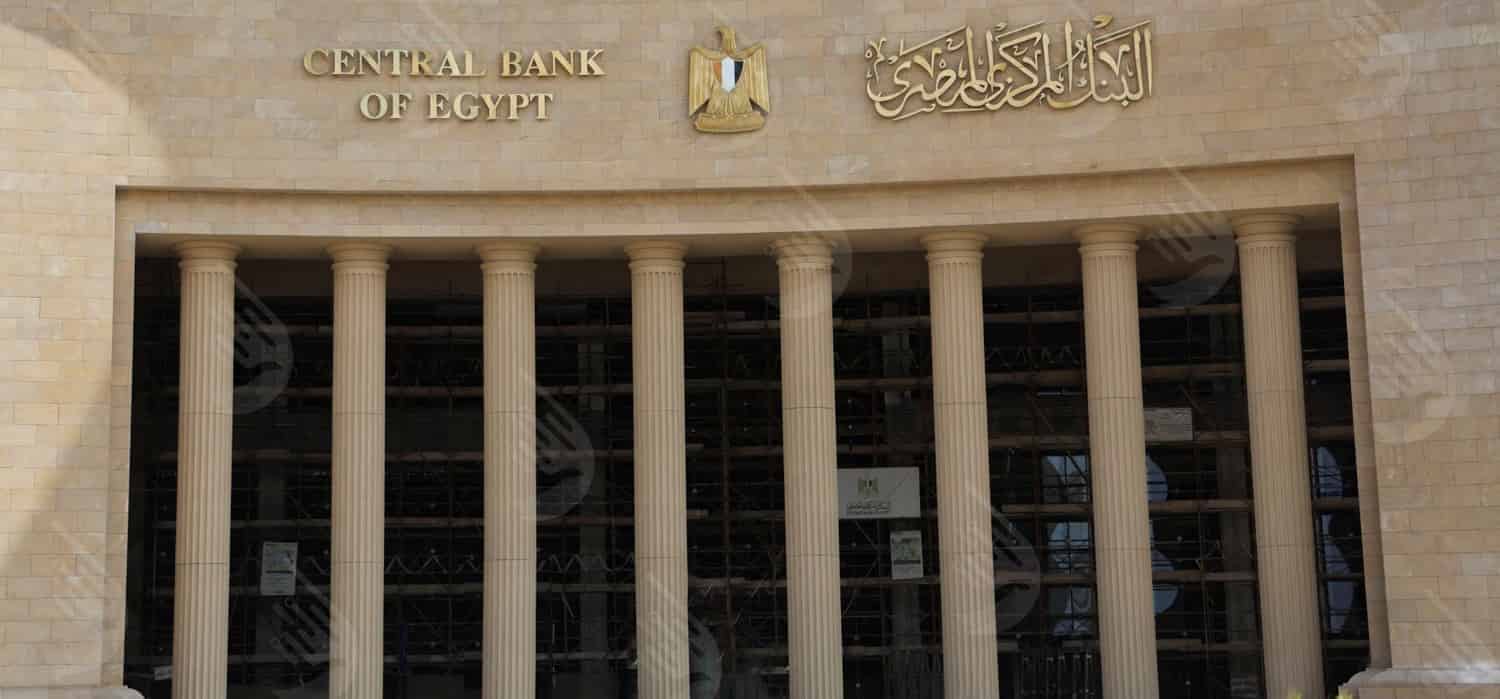
Data from the Central Bank of Egypt showed a significant increase in Net foreign assets The banking sector rose 23.7% in July to $18.5 billion. This increase also marks an annual rise of 39.7% and surpasses the previous record set in March at $15.4 billion.
Net foreign assets are a central measure of the resilience of the banking system, as it measures the difference between the foreign exchange assets banks hold and the liabilities on them. An improvement in this indicator means that banks can cover import costs, which contributes to the stability of the Egyptian pound, while any decline may lead to pressure on the local currency.
At the level of commercial banks, net foreign assets posted a surplus of $7.99 billion in July, compared to $4.9 billion in June. Foreign assets rose to $39.4 billion from $36.2 billion the month before, while liabilities increased slightly to $31.5 billion from $31.3 billion.
Net foreign assets
The central bank posted a $10.5 billion surplus at the end of July, up from $10.1 billion in June. Its net foreign assets increased to $47.8 billion from $47.4 billion, with liabilities remaining at $37.31 billion.
Having a strong stock of foreign exchange
Banking expert Mohamed Abdel Aal stressed that the figures reflect the banking sector’s possession of a strong stock of foreign exchange, which enhances its external obligations and confirms the strength of the banking system in the face of various challenges.
Abdel Aal also noted that this improvement is happening for the third consecutive month, despite the continuous decline in Suez Canal revenues and the postponement of the fifth review of Egypt’s loan program with the International Monetary Fund, which delayed the disbursement of the fifth tranche, which was expected in July.
Limited impact
According to Hani Geneina, head of research at Al-Ahli Pharos, the decline in Suez Canal revenues – costing Egypt $5-6 billion a year – has had limited impact, offset by a 24% increase in tourist arrivals in the first half of 2025, as well as a jump in remittances from Egyptians abroad.
He added that the revenues of the Suez Canal turned from a major source of foreign flows to an additional option that can be used in the event of the end of military activity in the Bab al-Mandab Strait.