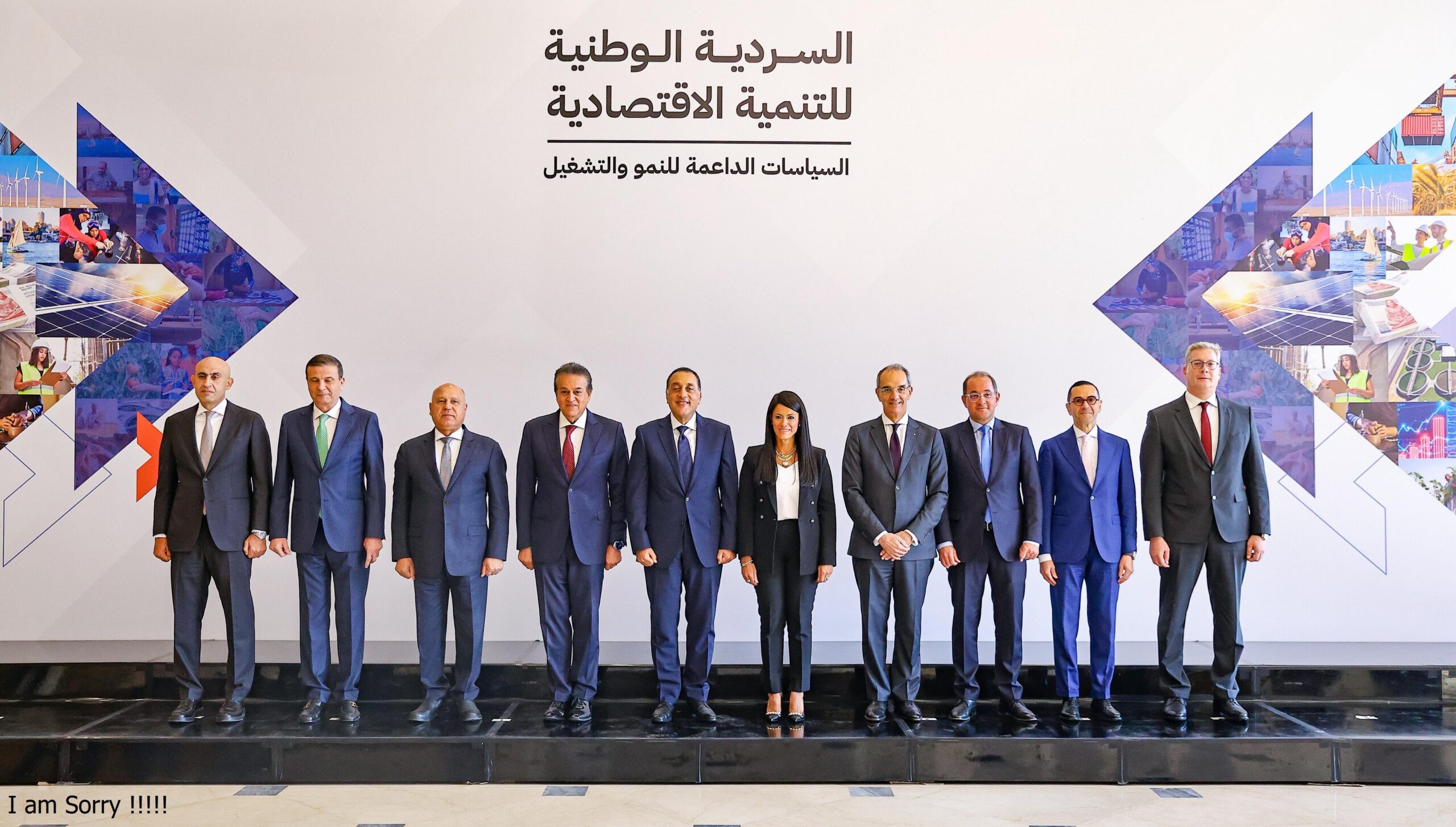
Dr. Rania Al-Mashat, Minister of Planning and Economic Development, spoke about the importance of this narrative in enhancing community interaction on the ambitious goals pursued by the state.
Through this narrative, the government seeks to build an integrated framework in line with Vision 2030, as the current economic landscape requires radical changes to address local and international challenges. This framework aims to achieve macroeconomic stability by directing economic activities towards competitive and exportable sectors, thus strengthening the position of the private sector.
(Planet) discussed with a group of experts the importance and effectiveness of the national narrative, and their views on how to achieve a balance between the public and private sectors. Here's what they explained.
Identifying effective economic priorities
Dr. Yemen Al-Hamaki, an economist and former head of the Department of Economics at Ain Shams University, points out that Egypt urgently needs to reassess its economic vision in line with global changes. She stressed the importance of setting economic priorities and addressing problems of mismanagement and corruption, in order to stabilize the market and increase investment efficiency.
Al-Hamaki also stressed the need to provide support to the private sector, which is showing weakness as a result of economic challenges, as the PMI fell to 49.2 points in August. This indicator is evidence of deteriorating economic conditions in the private sector, which requires effective strategies to raise its level.
She pointed to the importance of cooperation between the public and private sectors to ensure a balance of interests and achieve positive results that improve the standard of living of citizens, stressing the need for transparency and the availability of reliable information.
Promoting integration between sectors
For his part, Dr. Ezzedine Hassanein, an economist, sees the importance of preserving public sector institutions and integrating them with the private sector. He stressed the need to intensify efforts to attract investments and improve the effectiveness of digital platforms to facilitate licensing procedures for projects.
Dr. Ahmed Shawki, the economist, pointed to the need for the Egyptian economy to expand further in the industrial sectors and reduce dependence on services, warning of the risks associated with high external debt, which should be less than 35% of GDP.
In his speech, Prime Minister Mustafa Madbouli stressed the importance of the national narrative and its role in achieving a short- and medium-term vision. He also called for a community dialogue to discuss the contents of the narrative, noting preparations to make the private sector a leader in the development process.
Madbouly explained that the government is working to improve the investment environment, focusing on vital sectors such as industry, tourism and information technology, to ensure sustainable and inclusive growth. It also revealed a remarkable improvement in the indicators of the national economy, which opens up promising future prospects.
In conclusion, Madbouly stressed the importance of achieving the welfare of the Egyptian citizen with the need to reflect economic reforms in their daily lives.