There are days when being Nigerian in the diaspora feels like living with two hearts, one beating for the life you’ve built abroad, and the other tethered to the soil that shaped you.
Lately, that second heart feels bruised. Headlines have become harder to read, harder to stomach, and painfully harder to ignore.
The country is hurting. And those of us watching from afar are hurting right along with it.
From the worsening economic hardship to the relentless wave of insecurity — killings, kidnappings, village raids, and targeted attacks — Nigeria feels like a nation in constant mourning. This isn’t just “bad news” on the timeline; this is lived reality for people we love. Parents, siblings, friends, entire communities.
As someone originally from Benue — Tiv by heritage — this grief runs even closer to the bone. Each attack feels like a message you don’t want to open. Each new report from home makes you hold your breath, praying it isn’t your village today, your people tomorrow. When your homeland becomes a place where safety is never guaranteed, fear becomes an unwanted companion.
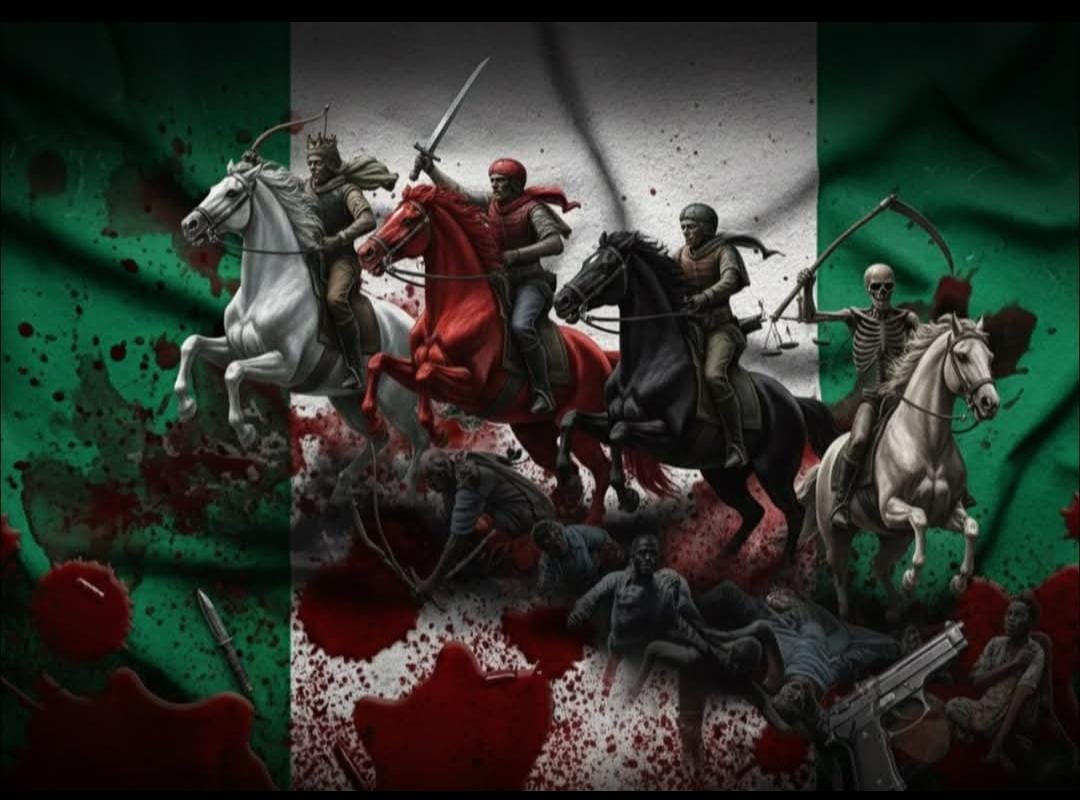
And that fear stretches across borders.
Those of us abroad carry it in our pockets, tucked between our passports and our daily routines. We refresh news pages more than we should. We hesitate before answering calls at odd hours. We mentally prepare for the next headline — because lately, the next one is always worse than the last.
This isn’t the Nigeria we grew up dreaming about.
This isn’t the Nigeria our parents worked themselves dry to build.
This isn’t the Nigeria we want our children to only know through stories of “how things used to be.”
Yet, I believe there is still something worth fighting for — because Nigerians, in all our resilience, have never been strangers to rising again. But rising requires leadership that prioritizes human lives, security that does more than issue press statements, and accountability that isn’t allergic to justice.
We may be in the diaspora, but we are not detached.
We carry Nigeria with us — in our accents, in our prayers, in our hopes, and in our unending longing for a country that can finally live up to its promise.
Nigeria is at a crossroads.
The world is watching.
We, her sons and daughters scattered across continents, are watching too — waiting for the dawn, still believing it will come, even if the night feels unbearably long